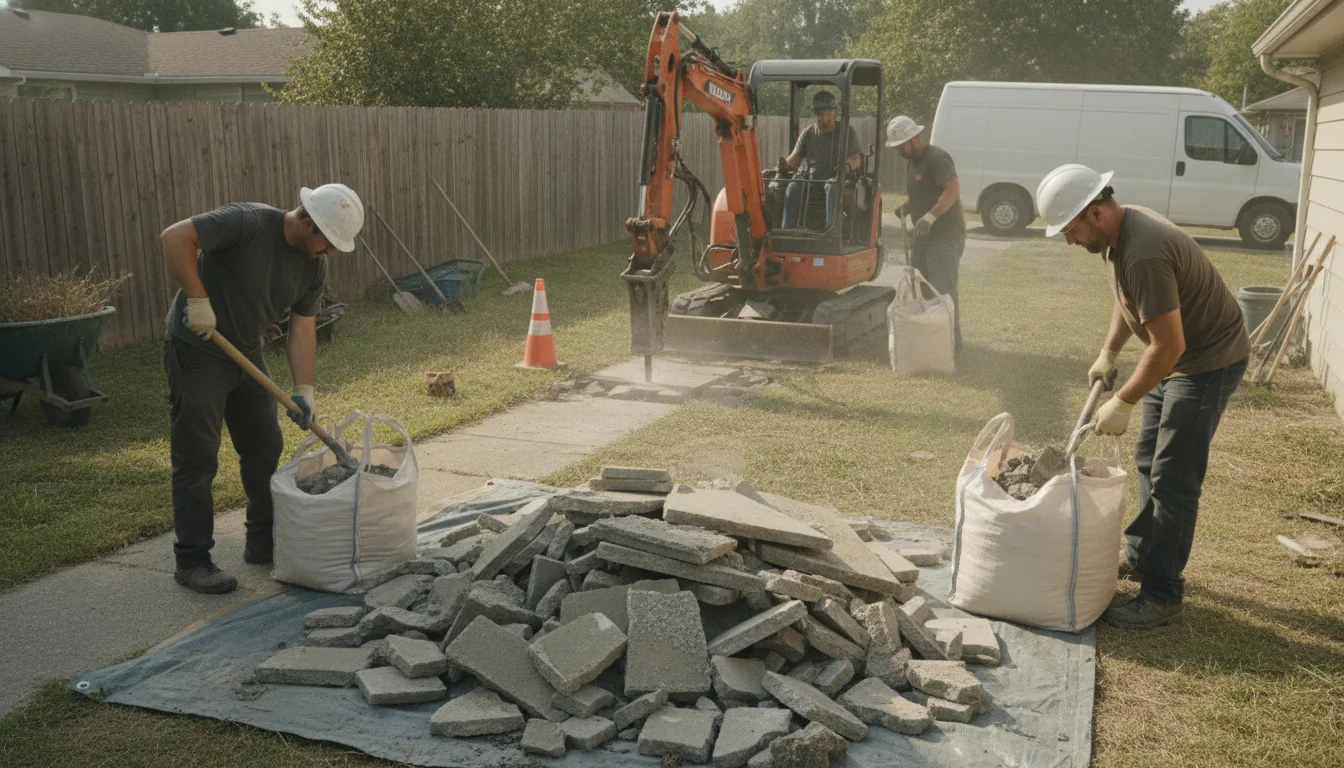
If you’re deciding how to get rid of broken concrete in San Luis Obispo, the fastest solutions are hiring a professional hauling crew or renting a heavy‑debris dumpster, then recycling what you can as clean concrete. This educational guide from San Luis Obispo Junk Removal explains safe breaking and loading, realistic weight limits, and practical reuse so residential and commercial projects stay on schedule and compliant.
Introduction
The patio is gone and the rubble remains—now what? Around San Luis Obispo, piles often grow heavier than expected. The direct answer: if you’re figuring out how to get rid of broken concrete in San Luis Obispo, schedule a professional concrete hauling crew or rent a heavy‑debris dumpster, then take clean loads to recycling. That keeps the site clear, reduces lift risk, and helps your timeline.
San Luis Obispo Junk Removal works across San Luis Obispo every week helping crews, property owners, and homeowners remove broken concrete, bricks, and asphalt the right way. This guide lays out safe steps, quick options, and greener choices that fit real jobs.
Key Takeaways
- Fastest routes: hauling crew for one‑and‑done removal or a heavy‑debris dumpster for phased demolition.
- Make rubble recyclable: separate dirt, trash, and wood; cut rebar flush.
- Safety matters: downsize slabs, use carts and dollies, and plan clear paths.
- Weights add up fast: concrete can weigh 3,700–4,500 lb per cubic yard—check payloads and limits.
1. The Fastest Ways to Get Rid of Broken Concrete
Here’s how to clear concrete quickly and keep the job moving:
Hire a concrete hauling crew. A trained team loads, lifts, and disposes in a single visit. This is ideal when access is tight, pieces are heavy, or deadlines are close. It also reduces risk to workers and property. For many projects, it’s the simplest Construction Debris Removal option.
Rent a dumpster designed for heavy debris. Choose a container rated for concrete, position it close to the work area, load evenly, and stay below the fill line. A scheduled swap or pickup keeps multi‑day jobs tidy. This is smart for phased work or larger tear‑outs.
DIY drop‑off at a concrete recycling yard. If you have a suitable truck or trailer and time, haul clean rubble to a recycler. Call ahead for size limits, contamination rules, and ID requirements. This works when you can make multiple safe trips with reliable loading help.
Local customers report simple wins: less site clutter, fewer trips, and faster turnarounds. Many also pair concrete removal with Commercial Junk Removal to clear pallets, packaging, and fixtures the same day, and schedule Residential Junk Removal or cleanouts where it helps.
2. Safety Prep and Breaking Tips for Easier Haul‑Away
Tools and techniques to downsize slabs. Score cracks with a saw if available. Use a sledgehammer or rotary hammer along cut lines. Pry up one edge so impacts fracture the underside instead of bouncing off the surface. Smaller chunks are safer to handle and faster to move.
How to separate rebar, wire mesh, and dirt. Rebar—short for reinforcing bar—is the steel rod grid inside concrete for strength. Cut exposed rebar with a reciprocating saw or angle grinder, then bend ends flat. Shake off soil and remove wood and plastic; recyclers prefer “clean” concrete with minimal contamination.
Safe lifting, staging, and pathway planning.
- Mark a clear, level path from the demo area to the staging spot.
- Wear eye protection, gloves, boots, and ear protection.
- Use wheelbarrows, dollies, or a skid steer for heavy loads.
- Stack pieces by size near the curb or dumpster door.
- Keep stacks low to avoid unstable piles.
- Post spotters at gates and driveways before loading.
Safety first: Concrete is dense. Even small pieces can strain backs and crack pavers. When in doubt, use a crew trained in Construction Debris Removal.
3. Disposal Options Compared: Costs, Weight Limits, and Time
Typical fees and minimums (per ton, surcharges, permits). Concrete often bills by weight. Extra charges can apply for mixed loads, contaminated rubble, long carries, or extended on‑site time. In San Luis Obispo, a permit may be required if you place a dumpster in the street—check current city rules. Overall spend varies by load size, access, and distance.
Weight limits by pickup truck, trailer, and dumpster size. Fully cured concrete commonly weighs about 3,700–4,500 pounds per cubic yard, depending on mix and moisture. A half‑ton pickup may safely carry roughly 1,000–1,500 pounds; larger trucks carry more but can overload quickly. Always confirm the vehicle’s payload rating and the dumpster’s posted limits.
Time and labor tradeoffs for each method.
- Hauling crew: Fastest on tight timelines; minimal labor from you; one‑day clear.
- Dumpster: Good for phased demo; load as you go; more site control.
- DIY drop‑off: Lowest direct service spend; highest time and strain.
When speed matters or access is tricky, many teams choose a hauling crew. For steady remodels, a heavy‑debris dumpster keeps the site orderly between phases.
4. Greener Alternatives: Reuse and Recycling That Actually Work
Clean concrete vs mixed rubble: what recyclers accept. Most recycling yards accept “clean” concrete—no trash, no wood, minimal rebar, and little soil. Mixed rubble may be turned away or routed to higher‑cost processing.
Turning rubble into base, pavers, or clean fill. Crushed concrete makes durable base for driveways, patios, and walkways. Larger chunks can edge garden beds or build small retaining features. Only place clean fill where allowed by local regulations.
Donate, sell, or list for free pickup. Reusable pavers or intact steps can move fast on local marketplaces. Contractors often search “construction debris removal near me” to grab materials between jobs.
Frequently Asked Questions
Can I put broken concrete in my regular trash bin?
Most cities do not allow heavy construction debris in household carts. Concrete can exceed truck and cart limits and may damage equipment. Use a heavy‑debris dumpster, a licensed hauling crew, or a recycling yard that accepts clean loads.
How do I know if my concrete can be recycled?
If the rubble is free of trash, wood, drywall, and dirt, it’s typically recyclable. Small amounts of rebar or wire mesh are usually fine if cut flush. Call the recycler first; rules differ by facility and local code.
What size should I break concrete into for hauling?
Aim for manageable pieces you can move safely with two hands. For many jobs, basketball‑size chunks load well and help reduce injuries. If rebar is inside, cut it so sections separate and stack flat near the pickup point.
Key takeaways
- Hire a hauling crew for the fastest, low‑lift removal.
- Use a heavy‑debris dumpster to manage phased demolition.
- Recycle clean concrete; keep trash and soil out of the pile.
- Plan safe paths, downsize slabs, and respect payload limits.
- Rules and permits can apply in San Luis Obispo; costs vary by weight and access.
Conclusion
A clear plan saves time and strain: choose your removal method, break slabs into safe sizes, stage smart, and recycle clean rubble. San Luis Obispo Junk Removal supports projects across San Luis Obispo with concrete, masonry, and Job Site Cleanup help. Ask about Construction Debris Removal, plus add‑on services like Appliance Removal, Furniture Removal, Hot Tub Removal, Commercial Junk Removal, and Residential Junk Removal to streamline the day. Contact us.